There’s no room for error in live healthcare refurbishment
The NHS is managing over 24 million A&E attendances each year, alongside more than 100 million outpatient appointments. Upgrading healthcare facilities, modernising infrastructure, and improving patient flow is therefore essential to meet demand.
When approaching refurbishment in live healthcare environments you’re presented with a totally unique set of challenges. Unlike many other sectors, continuity in healthcare isn’t a vanity aspect, or simply about commercial consideration. Maintaining day-to-day operations is critical to the safety of patients. Hospitals, doctors practices, and specialist care facilities must therefore remain functional with patient safety at the centre of every decision.
Identifying and managing risk
Early-stage planning is fundamental when working in any setting, not least a live healthcare environment. Every project must be underpinned by comprehensive understanding of how the facility operates, including patient flows and critical services.
At McCarthys, detailed risk assessments and method statements (RAMS) are developed in close consultation with stakeholders to identify potential risks and define clear mitigation strategies. Particular attention is given to infection prevention, noise and vibration control, and maintaining life-critical systems such as power, medical gases, and ventilation.
Mitigation measures often include strict site segregation, negative air pressure zones, enhanced cleaning regimes, and controlled delivery schedules. These are supported by clear communication plans to keep all stakeholders informed throughout the project lifecycle.
It is by establishing clear protocols at the outset that works are most effectively delivered without compromising the environment or its users.

Collaboration, collaboration, collaboration
Achieving a refurbishment result that meets all of the demands set out in the initial brief relies heavily on collaboration. That’s why we work closely with facilities managers and on-the-ground teams. This collaboration could include workshops or weekly progress meetings to ensure priorities are aligned, and keep things on track.
Regular progress reviews and risk reassessments are majorly important as circumstances can change quickly. The ability to respond in real time ensures that the project is kept on track. After all, unplanned disruption in healthcare settings can lead to significant challenges, from cancelled procedures to delayed patient flow. Given that NHS data already shows millions of elective appointments being delayed or rescheduled each year due to capacity pressures, mitigating disruption during refurbishment is an essential responsibility.
Sequencing and phasing of works
One of the most effective ways to protect live operations during refurbishment projects is through careful sequencing and phasing. Works are typically broken down into smaller, manageable stages, allowing specific areas to be isolated while clinical services continue elsewhere. Where possible, more disruptive activities can also be scheduled outside of peak operating hours (typically considered to be evenings and weekends for hospitals).
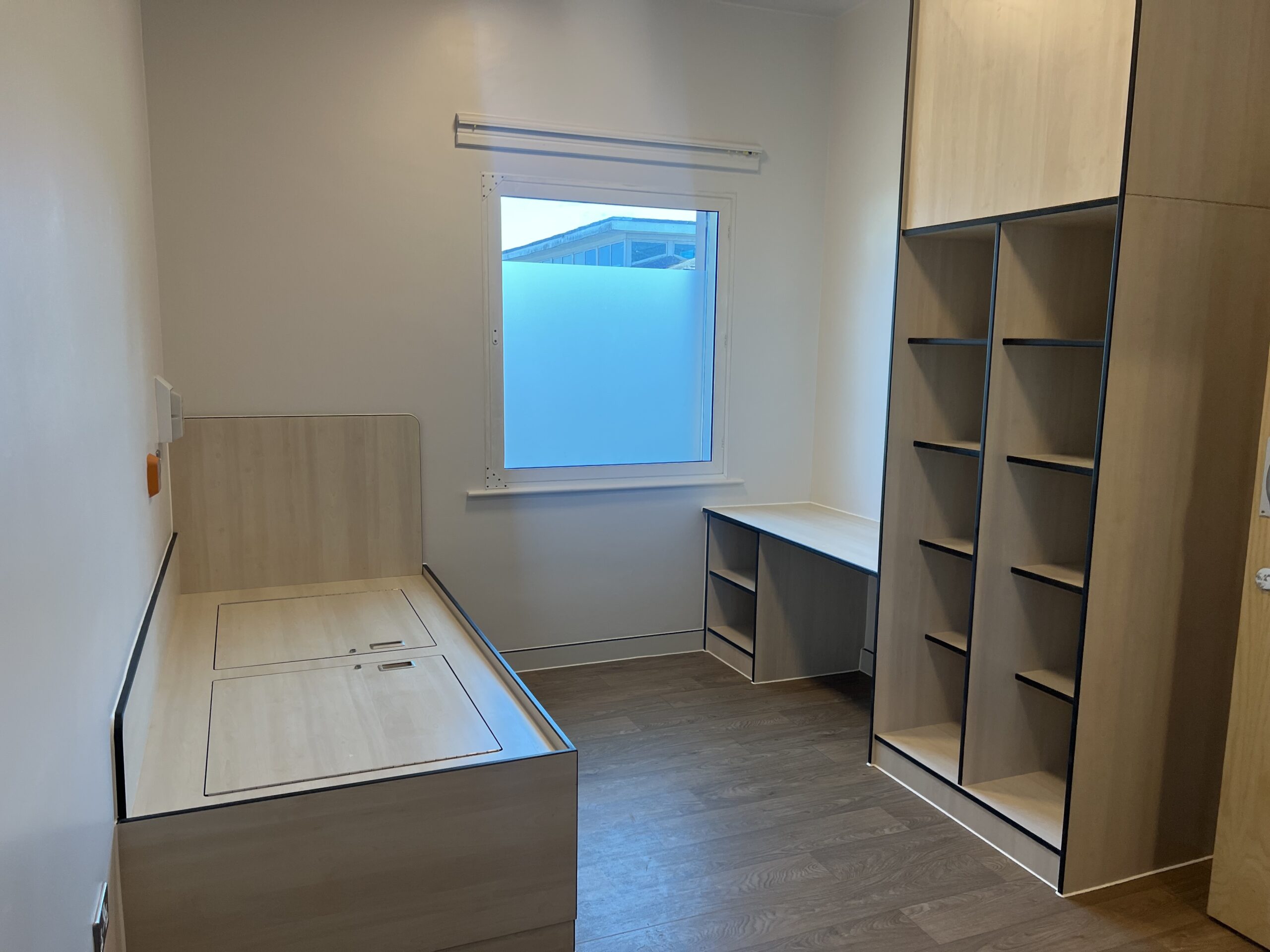
At McCarthys, we’ve delivered many specialist projects for the healthcare sector. At St Andrews Healthcare, Birmingham, we delivered a complex refurbishment within a live clinical setting, with careful coordination to ensure that patient care remained uninterrupted throughout. Detailed phasing and close collaboration with on-site teams, works were completed safely with minimal impact on day-to-day operations.
Continuity in critical environments
Refurbishment in healthcare environments demands a level of diligence that goes beyond standard construction practice. Every decision must be measured against its potential impact on patient safety and service continuity.
When managed effectively, however, these projects enable healthcare providers to modernise their facilities, improve efficiency, and enhance patient experience — all without interrupting the essential services they deliver every day.
For more information on how McCarthys could work with you, please get in touch. Or find out more about our other projects.