Class in session: refurbishment doesn’t have to disrupt learning, here’s how
College and school facilities managers are under increasing pressure to improve building performance, reduce energy consumption, and deliver modern learning environments.
With most works being carried out within live, fully operational settings, refurbishment has become the most practical and widely adopted approach. This demands careful planning to avoid disrupting teaching or compromising safeguarding.
Phasing of works
One of the most important considerations when we’re working in live educational environments is timing. Construction programmes must be carefully planned around the academic calendar, with more disruptive works scheduled during school holidays, for example.
Where this isn’t feasible, detailed sequencing becomes essential. Breaking projects into manageable phases allows areas to be temporarily isolated while teaching continues elsewhere in the building. This approach ensures progress can be maintained without placing undue pressure on staff, students, or the wider campus operations.
At Moreton Morrell College, Warwickshire, we delivered a two-phase fit out creating modern, purpose-built spaces for both practical skills and inclusive learning. Phase one saw a disused area transformed into a welcoming new reception, providing a clear and professional first impression. While phase two involved the conversion of a derelict barn and adjoining space into three large student workshops, alongside new SEN classrooms and offices. This approach ensured minimal disruption to the facility’s operations.
When managed effectively, phased refurbishment allows colleges and schools to enhance their facilities, improve energy performance, and create better learning environments — all without pausing the important work that happens inside their classrooms every day.
In many cases, out-of-hours working can be key to reducing disruption. Evening, weekend, and holiday work allows contractors to complete noisier or more intrusive activities when buildings are unoccupied. While this adds logistical complexity, it can make a significant difference to how smoothly refurbishment programmes run in live environments.
Segregation, temporary services & access planning
Segregating construction activity from the rest of the campus is another critical factor. Clear physical barriers, controlled access points, and well-defined routes for contractors and deliveries help maintain safety while protecting the safeguarding requirements of the school or college. This level of planning also ensures staff and students can move around campus safely and with minimal disruption.
For example, at Stratford-upon-Avon College, we carried out a localised internal reconfiguration. Part of a wider campus consolidation programme, the work on the college’s Block F included new finishes, upgraded mechanical, electrical, and plumbing systems, significant roofing improvements, and the construction of a new façade — all delivered without interrupting day-to-day college operations.
Refurbishment often affects essential services such as heating, power, water, and ventilation. Temporary systems must be planned carefully to ensure continuity. Likewise, access for staff, students, and emergency services must be maintained at all times, requiring close coordination with facilities teams throughout the project.
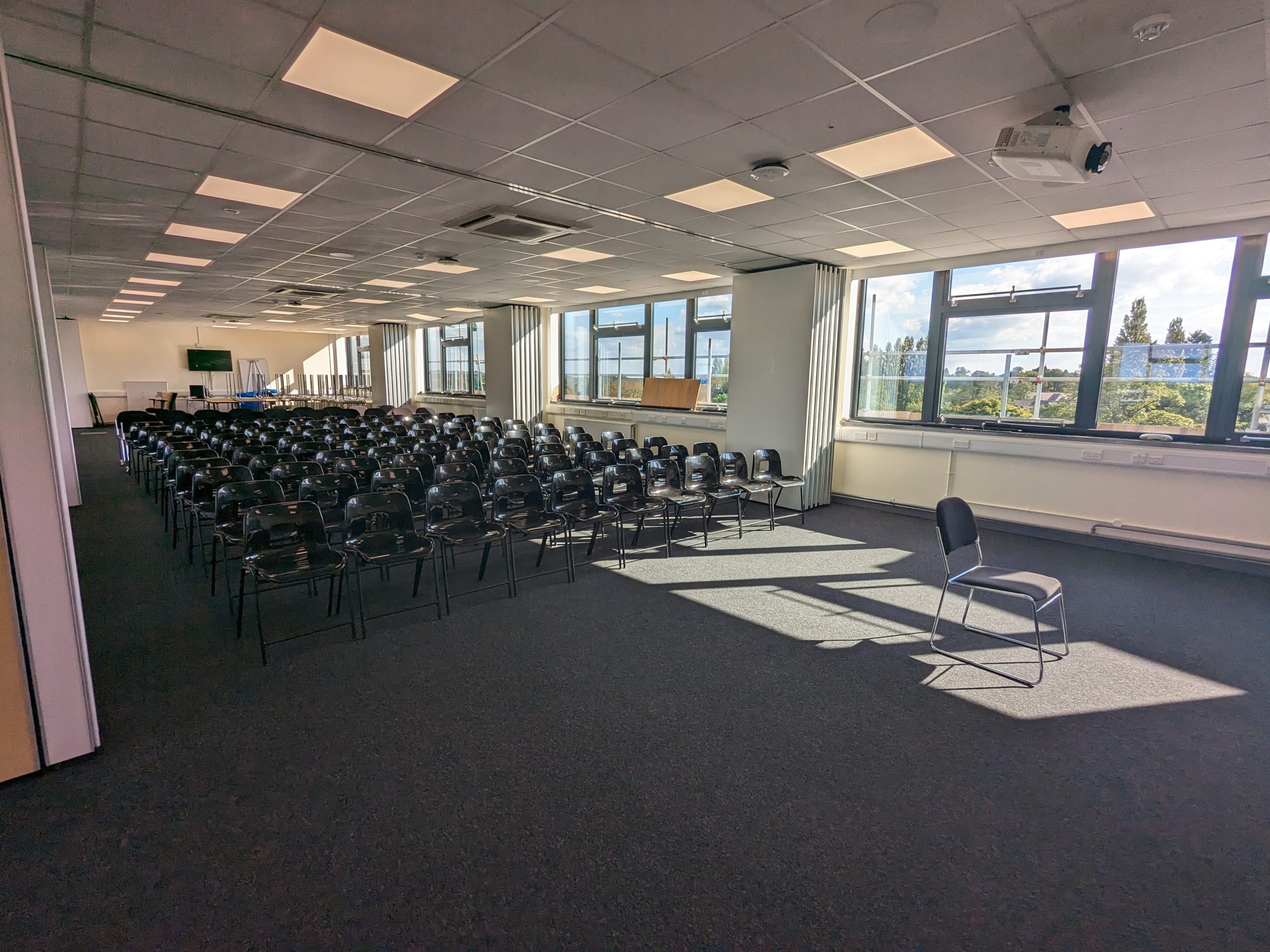
At Birmingham Metropolitan College, external works ran concurrently with internal refurbishment to limit disruption of services. The project included a complete refresh of classrooms and communal spaces across five floors of the main building as well as several satellite buildings across the campus, plus asbestos removal, installation of more than 200 windows and doors, new roof lights, and the resurfacing of service roads.
Ensuring success
With education estates under growing pressure to evolve, refurbishment projects delivered in live environments are becoming increasingly common. While these schemes present clear challenges, careful planning, close collaboration, and flexible delivery strategies can ensure they are completed safely. Such upgrades are important for enhancing spaces and enabling both teachers and students to thrive.
Find out more about our team and approach, or explore our recent projects to see how we’ve helped education providers.